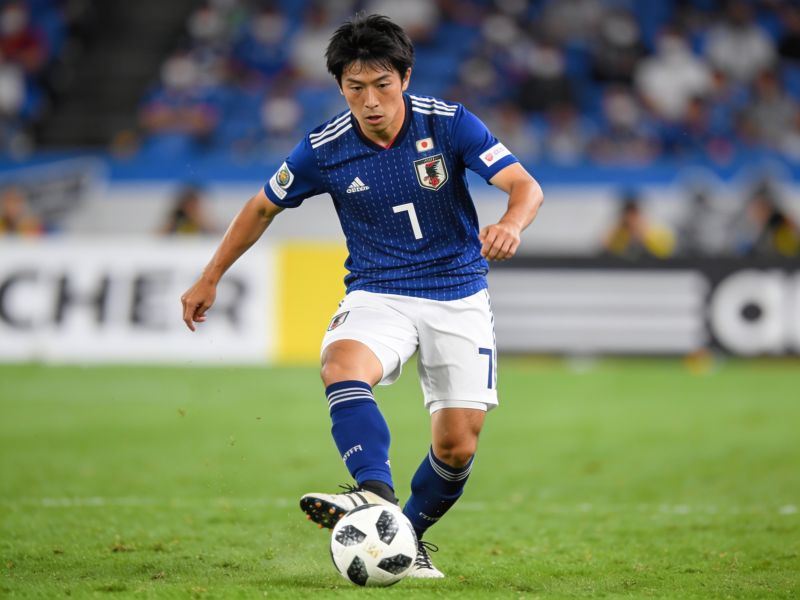
Ryoichi Maeda built a quiet but formidable legacy as a midfielder at Jubilo Iwata. His positioning,
Ryoichi Maeda never chased headlines. In an era when Japanese football began exporting talent to Europe at a rapid clip。Maeda stayed home, quietly building a legacy at Jubilo Iwata that few midfielders in the J-League can match. His name doesn't spark the same immediate recognition as Keisuke Honda or Shinji Kagawa, yet among coaches and teammates, Maeda commands a different kind of respect—one earned through positioning, timing, and an almost stubborn consistency.Watching Maeda play live for the first time in 2010, what struck me wasn't speed or flair. It was how rarely he lost the ball. In a league that increasingly valued explosive transitions, Maeda operated at his own tempo. He'd receive a pass under pressure。shield it with his body, and release it within two touches. Simple?
Maybe. But do it for ninety minutes across a decade and it becomes something else entirely. His passing accuracy consistently hovered above 85% in league play—numbers that don't trend on social media but win matches.Jubilo Iwata's tactical identity during Maeda's peak years revolved around his ability to link defense and attack without wasting possession. He wasn't a destroyer like a traditional holding midfielder, nor a pure playmaker. Maeda sat in that awkward middle space that modern analytics sometimes struggle to categorize. He intercepted passes, yes—but more importantly, he dictated where the ball went next. Opponents learned to press him cautiously;commit too hard and he'd slip a pass into the channel behind you.International football told a different story. Maeda earned caps for Japan, but he never became a fixture in the national team the way his club form suggested he might. Some blamed his lack of pace at the highest level. Others pointed to timing—he peaked just as Japanese football shifted toward quicker, more vertical midfielders. I'd argue it was simpler: Maeda's strengths required a team built around him。and Japan's national setup rarely afforded that luxury. He was a system player in the best sense, but system players often get overlooked in tournament squads assembled from disparate parts.What remains of Ryoichi Maeda's career is a case study in undervalued consistency. He won trophies with Jubilo, earned individual honors。and left a template for how a midfielder can control a match without dominating the highlight reel. Younger J-League players still study his movement off the ball—the subtle shifts that create passing lanes. In a football culture obsessed with the spectacular, Maeda proved that the ordinary, repeated flawlessly, becomes extraordinary. His legacy isn't loud. It's the quiet hum of a team functioning exactly as it should.